Warm, tactile whites shaped by material, texture, and light.
Pantone’s 2026 Color of the Year, Cloud Dancer, reflects a wider return to quiet, softened whites. Bone belongs to this pale spectrum, but carries more warmth and variation. Pure white reflects light cleanly. Bone holds onto shadow and the subtle character of the material beneath it.
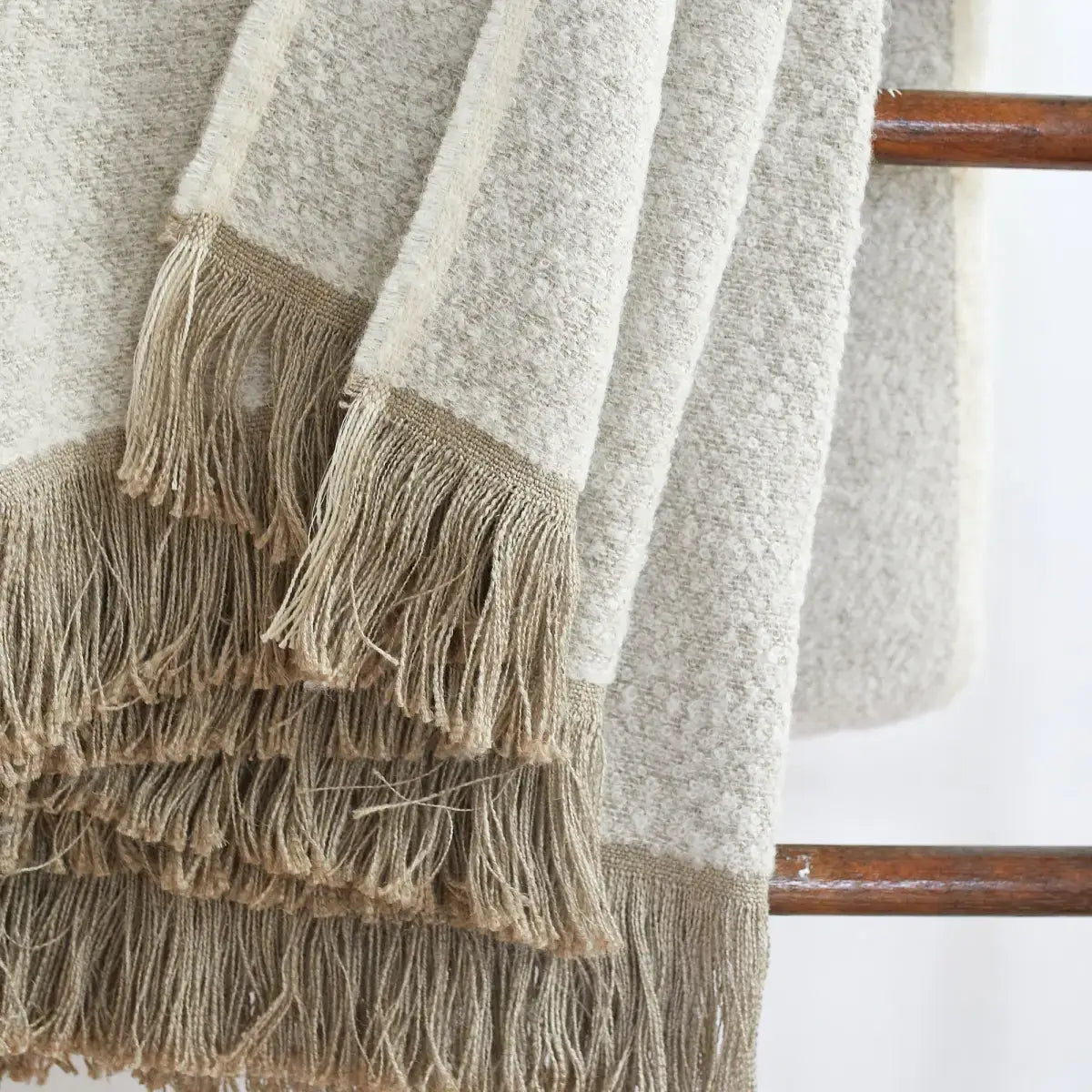
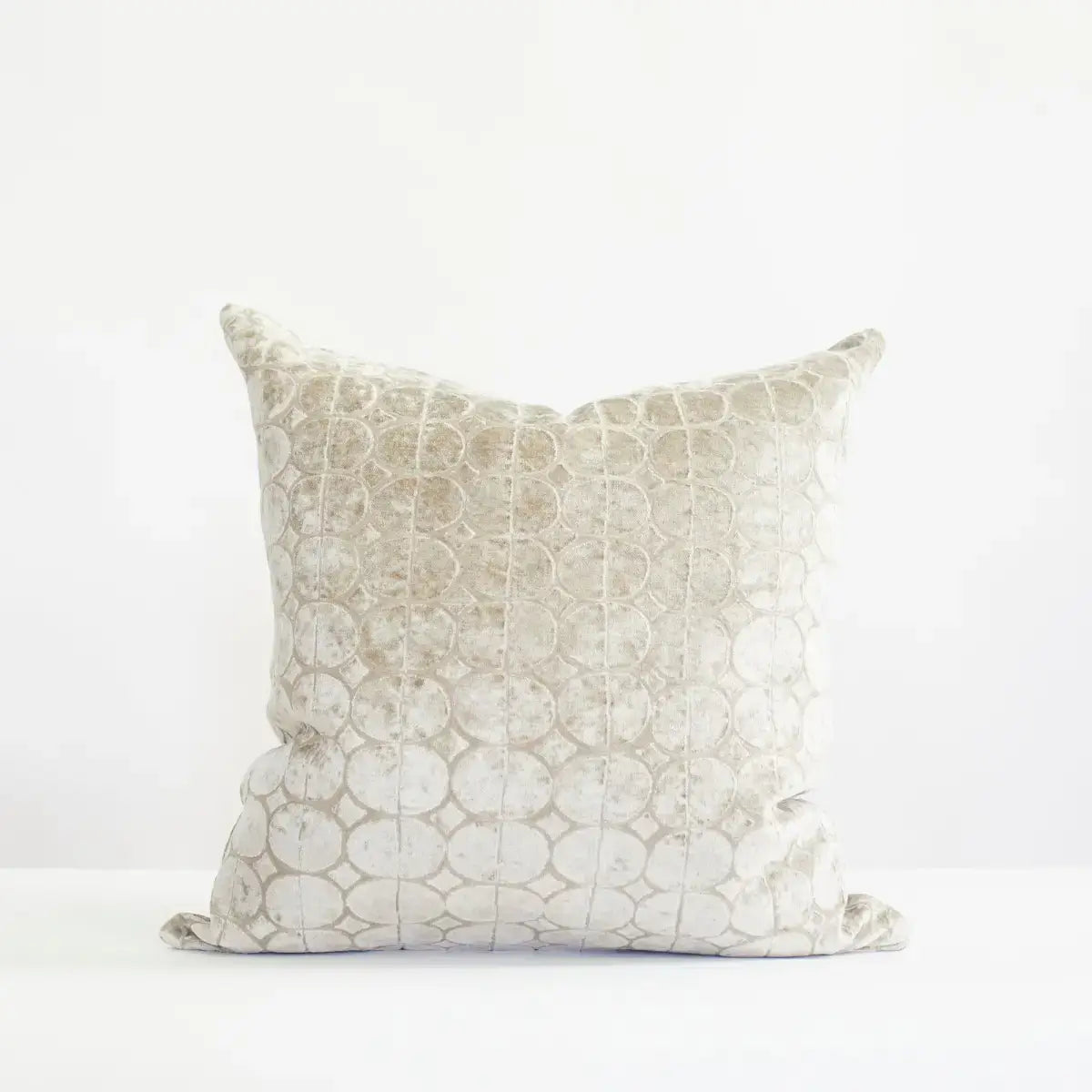
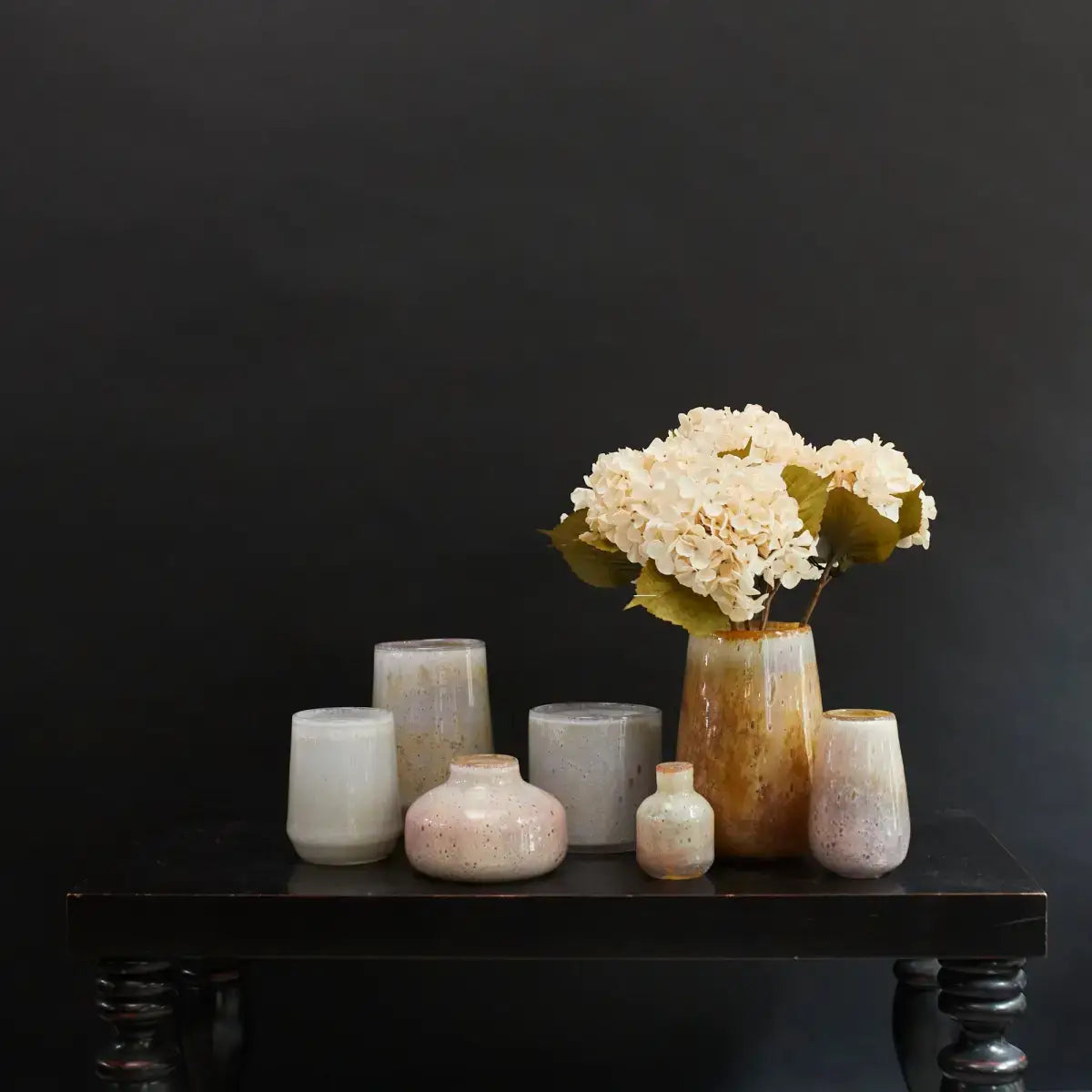
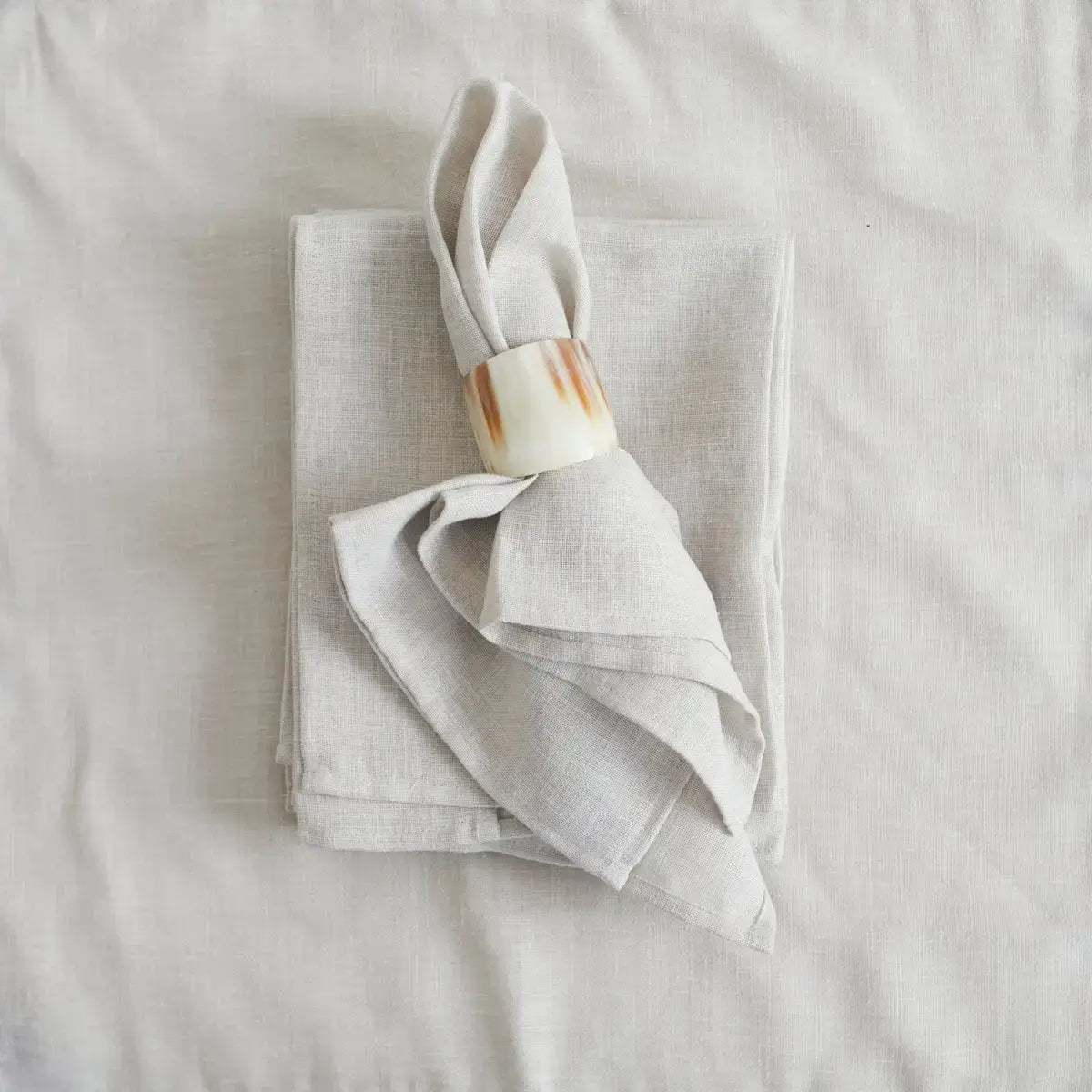
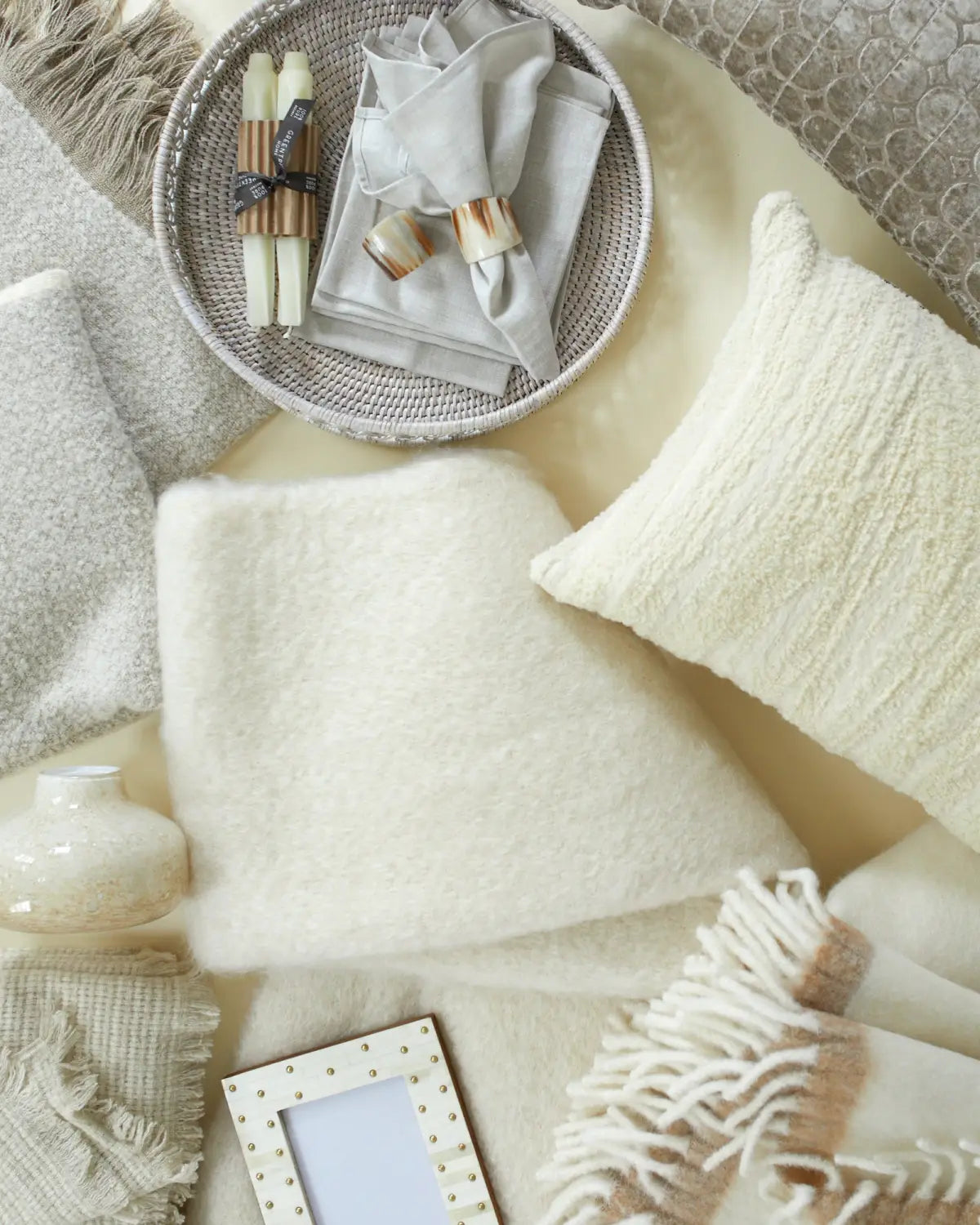
At Stella, the color moves through brushed throws, woven cushions, table linens, rattan, candles, glass, horn, and pale florals. Together, they reveal how much depth can exist within an almost colorless palette.
White, warmed by material
Bone has no fixed formula. At its palest, it approaches chalk and porcelain. Warmer shades move toward cream, wax, and oat. Grey brings it closer to oyster or stone, while a trace of brown recalls parchment.
These differences can be difficult to see in isolation. Placed together, they separate into warm and cool, luminous and muted. What first appears to be a collection of whites becomes a layered palette of its own.
When texture carries the contrast
Without strong color, the surface of each material becomes more visible.
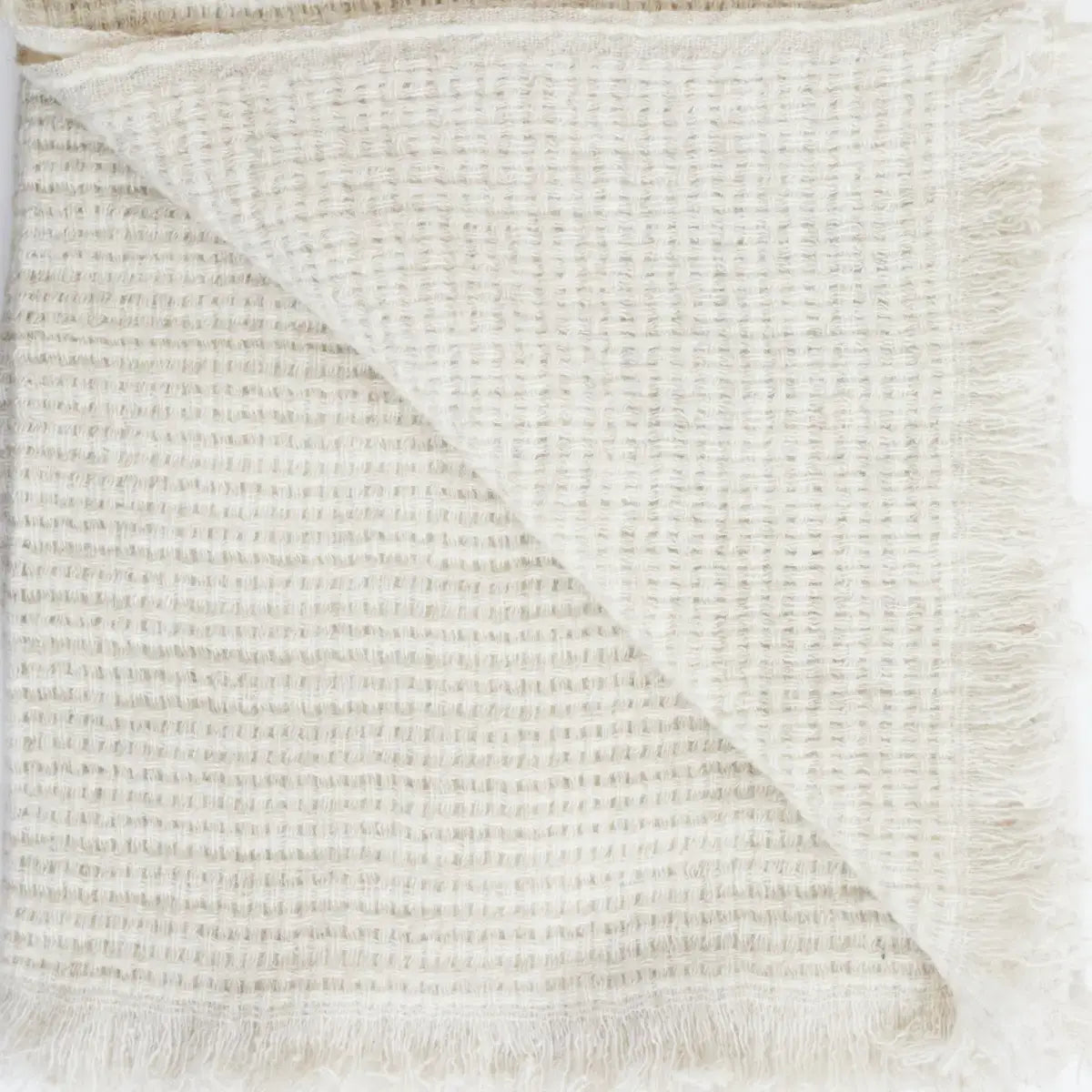
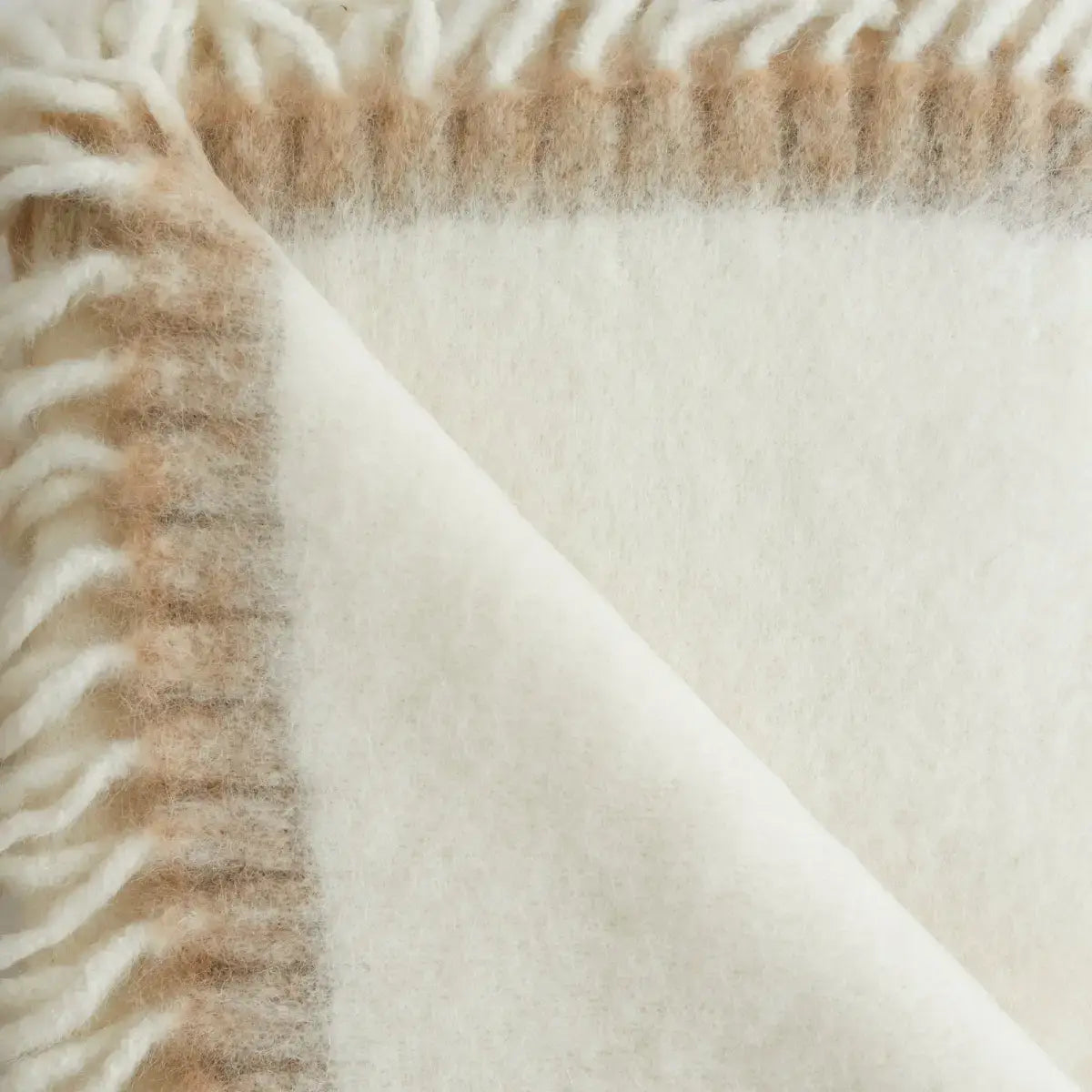
Brushed fibers soften edges and gather shadow. Woven cushions create pattern through raised loops and irregular lines. Linen stays dry and defined, leaving the structure of its weave exposed.
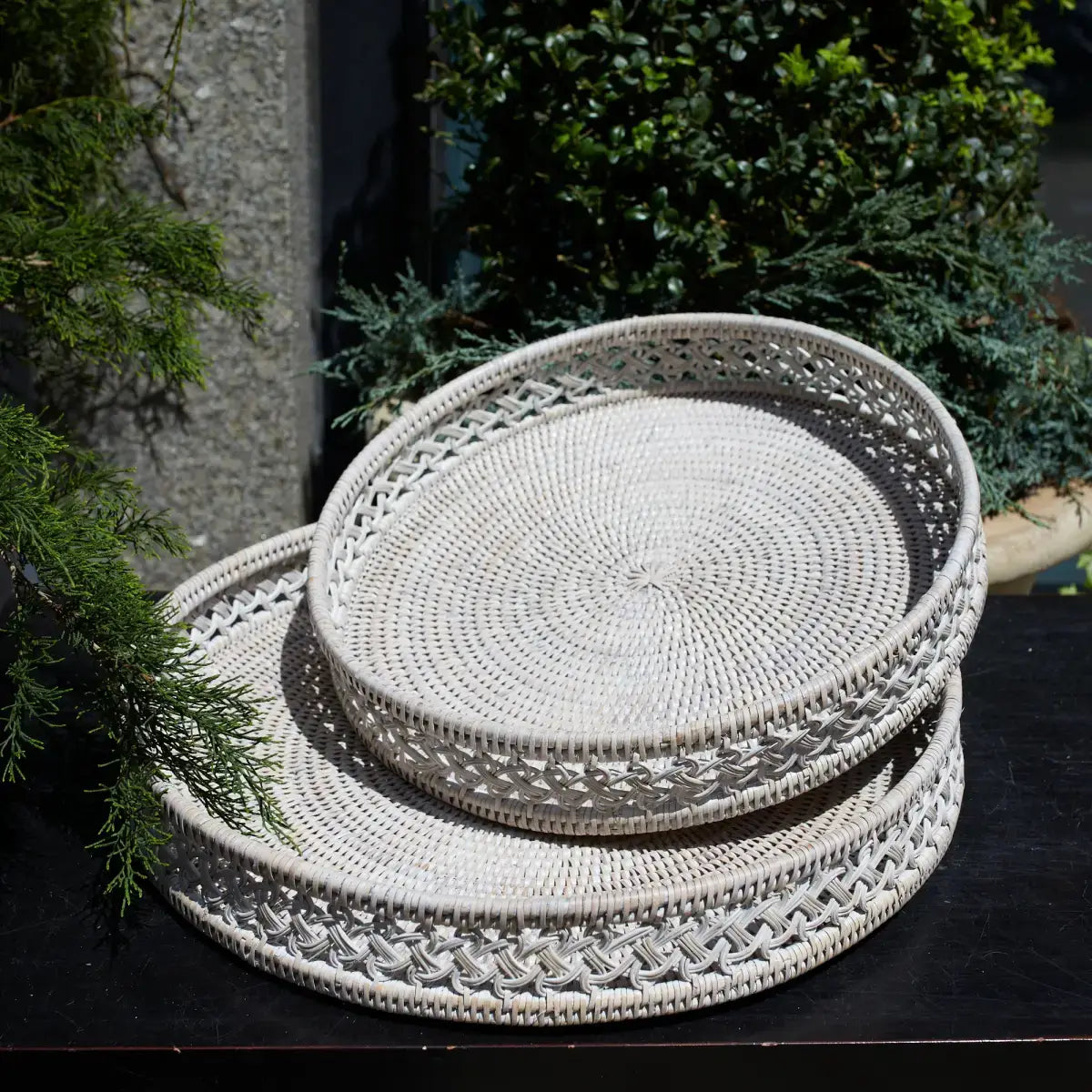
Rattan introduces rhythm and repetition. Horn carries natural streaks of amber and brown. Candle wax has a soft opacity, while glass responds to the light around it.
The pieces do not need to match. Much of the richness comes from small changes in tone, texture, and finish.
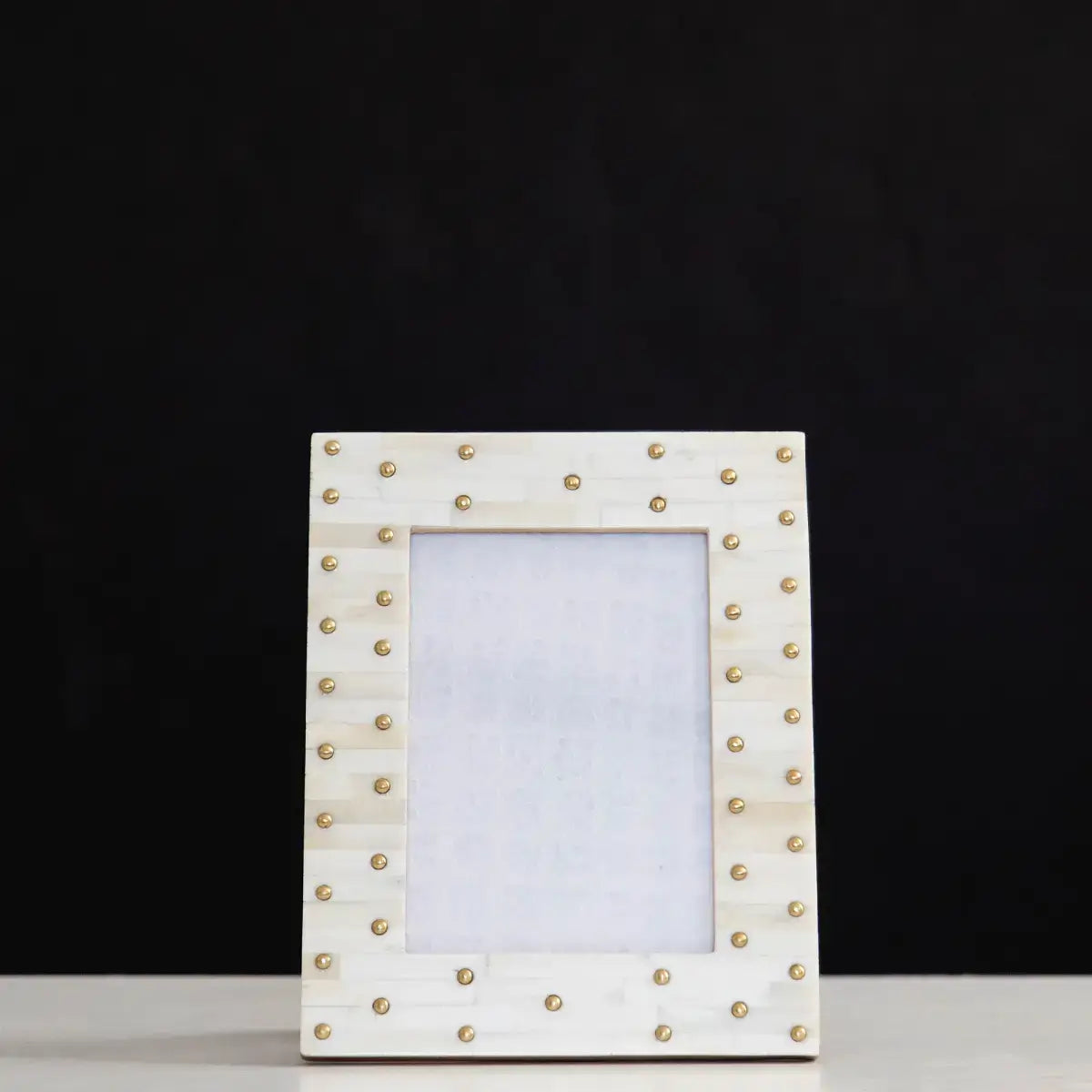
The colors it keeps close
Bone grows warmer beside camel, aged brass, honeyed wood, and tobacco brown. Paired with taupe or grey, it feels cooler and more mineral.
Against bright white, its depth becomes clearer. Beside indigo or moss, it offers relief without the sharper contrast of a crisp white ground. The most considered combinations bring warm and cool shades together, varying the weight and texture of each material.
Bone draws attention to details that stronger color can obscure: the direction of a pile, the markings within horn, the irregularity of a weave, or the way afternoon light turns cream warmer before allowing it to recede toward grey.
Nearly colorless, but never without character.